Updated October 2026 · We combined our two custom-home guides into one, refreshed the step-by-step plan and added FAQs and new ways to get started.
The process of building your own house can be both extremely thrilling and a little stressful. But when the house of your dreams is finished and you get to enjoy all of your hard work, it’s an experience you won’t regret. Imagine living in a home built entirely around your vision, style and unique needs. That’s the beauty of building your dream home in Raleigh, NC: a space that’s truly yours.
Whether you’re drawn to vibrant city energy or peaceful suburban charm, Raleigh lets you create a living space tailored to every detail. Let’s talk about why Raleigh is the place to be, and then walk through how to build your dream house, step by step.

Why Build Your Dream Home in Raleigh?
A Vibrant Community and Culture
Raleigh is known for its strong cultural atmosphere, rich history and welcoming communities. Music venues, art galleries, museums and festivals offer countless chances to get involved, and the city puts a lot of focus on family-friendly activities. Catch a Carolina Hurricanes game, stroll the sculpture park at the North Carolina Museum of Art or enjoy local brews downtown.
A Thriving Job Market
Raleigh is part of North Carolina’s Research Triangle, a hub for technology, healthcare, life sciences and education. That economic strength supports a steady housing market and keeps attracting new neighbors, which makes building here a smart long-term investment.
Quality Education
Many families move to Raleigh for its schools and the educational options that come with being close to NC State, Duke and UNC-Chapel Hill. If schools matter to you, check the Wake County Public School System base school lookup for any lot you’re considering.
Beautiful Nature, From the Coast to the Mountains
Raleigh’s parks and lakes make outdoor living part of everyday life. Explore the trails at William B. Umstead State Park, kayak at Falls Lake or plan a picnic in the park. And thanks to Raleigh’s central location, both the beaches and the Blue Ridge Mountains are just a few hours’ drive away.
Diverse Neighborhoods
From the historic charm of Oakwood to the suburban feel of North Raleigh and nearby towns like Apex, Holly Springs and Fuquay-Varina, there’s a community for everyone. Our guide to the best places to live near Raleigh is a great place to compare.

Why Choose a Custom Home?
Building a custom home lets you design every part of your living space to fit your lifestyle. From the layout and architectural style to the finishes and special features, a custom build means your home isn’t just a place to live. It’s a reflection of your personality and needs.
- Tailor every detail. You control your home’s design, from floor plans to finishes.
- Build in modern features. Add the latest technology and energy-efficient systems from day one.
- Create long-term value. A well-designed home in a growing market like Raleigh can be a smart investment.
Whether you want a gourmet kitchen for entertaining, a serene outdoor space or a dedicated home office, a custom home gives you the freedom to bring your dream to life without compromise.
Building Your Dream Home in Raleigh: 8 Steps
1. Define Your Essentials
Before the building process begins, spend some time defining your priorities. Consider:
- Size and layout. Are you planning for a family or a future family? Think about the number of bedrooms and bathrooms, the size of the living areas and the backyard.
- Style. Do you picture a modern home with an open floor plan, a minimalist aesthetic and a neutral palette with bold accents? A traditional home with a classic gabled roof, decorative molding and warm, earthy tones? Or a mix of both?
- Special features and amenities. What are your must-haves? An open-concept kitchen, a home office or energy-efficient systems are popular choices.
2. Establish Your Budget
Setting a realistic budget is essential before construction begins. Look at your financing options, including construction loans, conventional mortgages and, if you qualify, VA loans. A local lender can help you understand your choices and compare rates.
- Land and construction costs. Costs vary a lot based on the lot, the neighborhood, the size of the home and the materials and finishes you choose. Ask several builders for current, itemized bids rather than relying on a general per-square-foot estimate.
- Permits and fees. Building in Raleigh requires a number of permits and inspections. Include those costs in your budget, along with site work such as grading, driveways and utility connections.
3. Choose Your Ideal Location
When choosing the perfect spot, confirm the property is zoned for residential use, check that utilities like power, water and sewer are available, and look into flood zones or environmental limits that could affect building. Then weigh everyday factors like your commute and how close you’ll be to schools, parks and community services. A few areas to explore:
- Downtown Raleigh: a bustling area with restaurants, theaters, museums and nightlife, perfect if you want to be near the action.
- North Raleigh: known for its suburban atmosphere, larger homes and family-friendly communities.
- South Raleigh: generally more affordable than other parts of the city and growing quickly, great for buyers who want more room while staying close to downtown.
- East Raleigh: a varied mix of new construction, historic homes and more budget-friendly options.
- West Raleigh: home to NC State University, with a range of single-family and multifamily homes.
4. Find Your Team
Next, put together a team of experienced pros who can turn your vision into reality and help you avoid problems along the way.
- A reputable builder. Look for Raleigh-area builders with a solid reputation, knowledge of local codes, past work that fits your style and strong client reviews. Know the difference between custom, semi-custom and production builders, and pick the right fit. See our recommended builders and building resources, including one of our favorites, Halcyon Homes.
- A contractor. A trustworthy contractor oversees the build, manages subcontractors like plumbers and electricians and keeps the project on time and on budget.
- An architect. An architect helps bring your vision to life with designs that meet your needs and follow local regulations.
- An interior designer. While the architect focuses on structure, a designer helps with layout, furnishings, color schemes and finishes.
- A real estate agent. An agent can help you find a lot that fits your goals and budget, understand land values and resale potential and connect you with trusted builders. Learn more about how we help with building.
5. Design Your Home
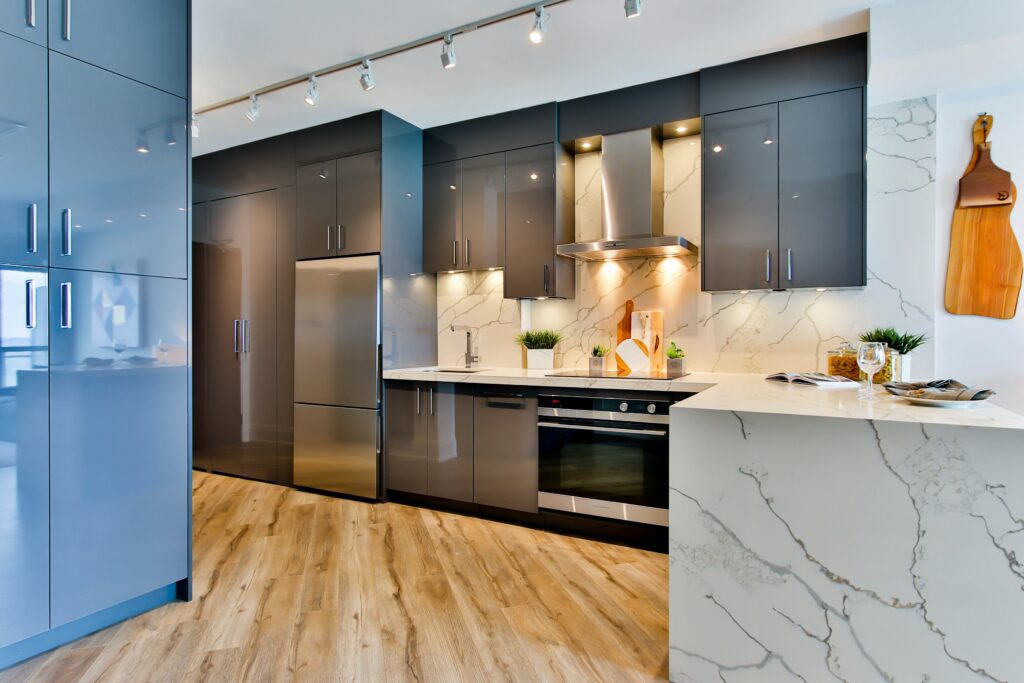
Share the essentials you defined with your team. Settle on the number of rooms, including guest rooms or office space, the size of the kitchen and whether you want a more open or more defined floor plan. Think about windows and sliding doors in key areas, and how you want natural light to fill each room.
6. Permits and Regulations
Before construction begins, get familiar with Raleigh’s zoning rules and building codes. Your builder should handle most of this, but it helps to know the basics: building, electrical, plumbing and mechanical permits, plus a certificate of occupancy at the end. Raleigh also has setback requirements that set the minimum distance between a structure and the property line, street or other buildings. Several inspections happen during the build, so stay in touch with your builder to keep them on schedule. For current rules, visit the City of Raleigh’s Planning and Development department. Building in Apex, Holly Springs, Cary or Fuquay-Varina? Each town has its own permitting office, so check with the town where your lot sits.
7. The Construction Process
- Communicate often. Stay in regular contact with your builder and plan site visits to keep an eye on progress and resolve questions early.
- Stay flexible. Surprises can come up during construction. Keep your big-picture goals in mind and be open to adjustments.
- Understand the timeline. Ask your builder for a detailed schedule. Plan for possible delays from weather, supply issues or other unexpected events.
8. Final Steps
- Final walkthrough. When the build is finished, do a thorough walkthrough with your builder. Make a punch list of anything that needs fixing before you close.
- Closing and moving in. Once everything meets your expectations, finish the closing paperwork. Then it’s time to move into your dream home!
Weighing a new build against buying an existing home? Our home buying process checklist and first-time homebuyer tips walk you through the resale side, and our guide to moving to Raleigh covers life in the Triangle.
Building Your Dream Home in Raleigh: FAQ
How long does it take to build a custom home in Raleigh?
It depends on the size and complexity of the home, the builder’s schedule, permitting and weather. Ask your builder for a detailed written timeline before you sign, and plan for some flexibility.
How much does it cost to build a house in Raleigh, NC?
Costs vary widely based on the lot, the location, the size of the home and your finishes. The best way to get an accurate number is to get current, itemized bids from several builders and include land, site work, permits and fees in your budget.
Do I need a real estate agent to build a new home?
You don’t have to have one, but an agent can help you find the right lot, understand land values and resale potential, compare builders and negotiate on your behalf.
What permits do I need to build a house in Raleigh?
Most new homes need building, electrical, plumbing and mechanical permits, along with inspections during construction and a certificate of occupancy at the end. Check with the City of Raleigh or the town where your lot is located for current requirements.
What’s the difference between custom, semi-custom and production builders?
A custom builder designs and builds a one-of-a-kind home, often on your own lot. A semi-custom builder lets you personalize existing plans. A production builder builds from a set of plans in a planned community, with fewer choices but often a faster, simpler process.
Ready to Build Your Dream Home in Raleigh?
Building your dream home in Raleigh is a rewarding journey that takes careful planning, teamwork and flexibility. With the right team, you can create a space that fits your needs and style perfectly. Start with our building resources page, and let’s turn your dream into a reality.
Thinking about moving to Raleigh? Fill out our quick buyer questionnaire
Tell us what you need (timing, budget, must-haves and favorite areas) and we’ll put together homes and neighborhoods that actually fit. It only takes a few minutes, and there’s zero pressure.
📊 Check the numbers: Raleigh Market Report · Apex Market Report · Holly Springs Market Report (live and updated monthly)
🏡 Already own a home? See what it’s worth today with our free Homebot report. Or ask us directly: What’s my home worth? Get a free home valuation.
🗺️ Grab our free Raleigh Wanderlust relocation guide
Thinking about making a move in the Raleigh area? Let’s connect. Whether you’re ready to tour this month or just starting to explore, we’d love to help, with honest guidance and zero pressure. 💛
See you at the next blog,
XO Jacie & Co ✨


Sources (checked October 20, 2026; details can change, so confirm with the organizer or town before you go): NC State Parks: Umstead · NC State Parks: Falls Lake · City of Raleigh Planning and Development · WCPSS base school lookup
Photo credits: Photos: Jacie & Company Real Estate media library


Be the first to comment